
Why Is It So Hard To Say No?
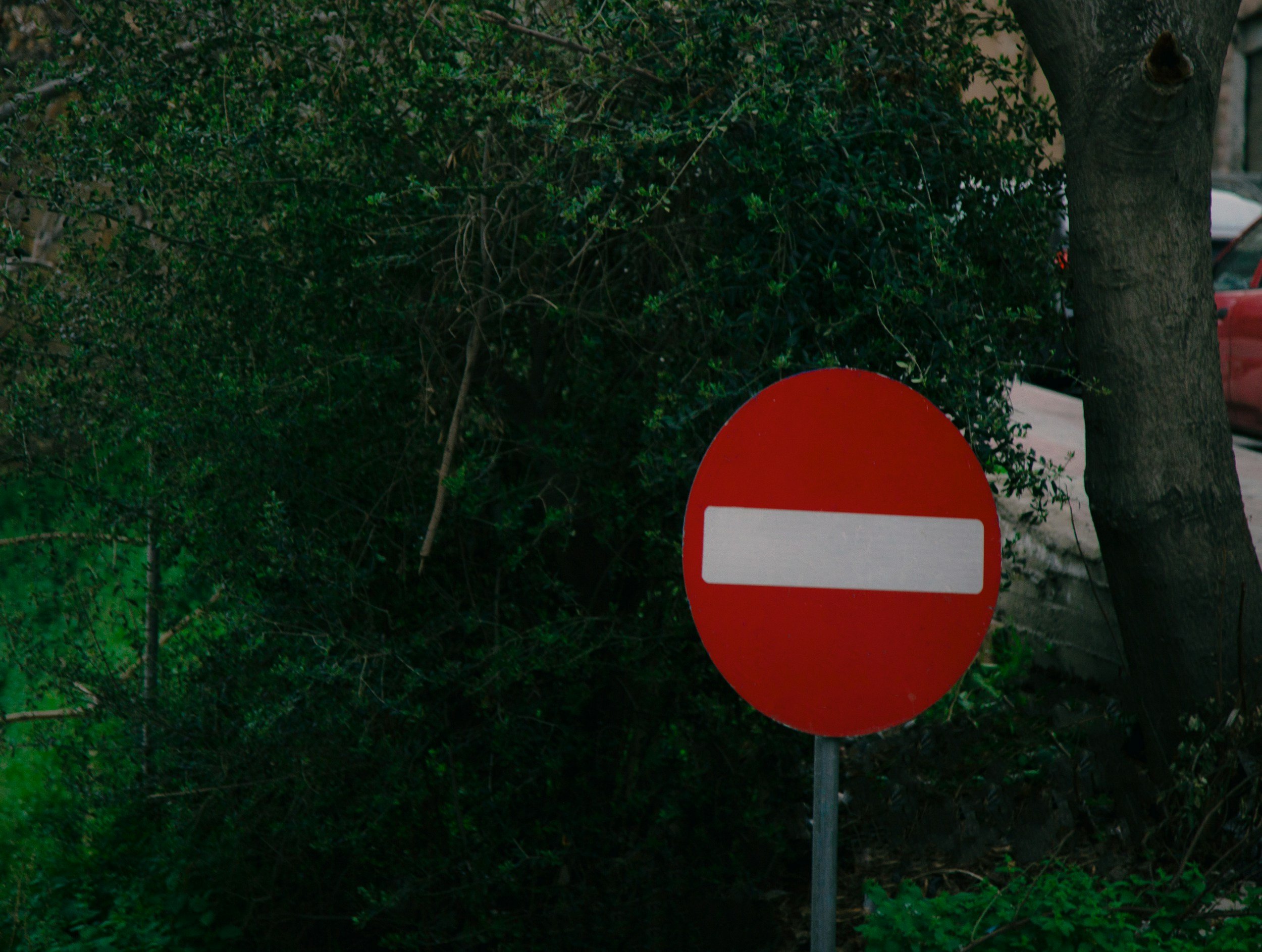
For such a small word, "no" can carry a surprising amount of anxiety.
Many people find themselves agreeing to things they don't want to do, taking on responsibilities they don't have capacity for or saying yes simply to avoid disappointing someone.
Afterwards they may feel frustrated with themselves.
They knew they wanted to say no.
Yet somehow the word never arrived.
Often, the difficulty isn't the word itself.
It is what we imagine will happen if we use it.
For some people, saying no feels selfish.
For others, it risks rejection, conflict or disapproval.
The possibility of upsetting somebody else can feel deeply uncomfortable.
As a result, we learn to prioritise harmony over honesty.
We adapt.
We accommodate.
We keep the peace.
While these strategies may help in the short term, they often come at the expense of our own needs.
Over time, repeatedly saying yes when we mean no can create resentment, exhaustion and a growing sense that we are living for everyone except ourselves.
Healthy boundaries are not about becoming rigid or uncaring.
They are about recognising that your needs matter too.
Learning to say no is often less about confidence and more about tolerating the discomfort that follows.
The guilt.
The uncertainty.
The fear that someone may not like your decision.
Therapy can help you understand these fears and develop greater confidence in expressing yourself honestly.
Many people discover that the relationships worth keeping are usually strong enough to survive a respectful no.
Related Reading:
• Why Do I Always Put Other People First?
• Why Don't I Know What I Want Anymore?
• When Being Strong Becomes A Problem
You may also find my Relationship Therapy page helpful.
If this resonates with you, I offer a free introductory consultation.